
REPENTANCE IS A GIFT OF GRACE.
Genuine repentance from the heart is a gift; it’s not something you can work up. When we were dead in our sins, we were neither capable of correct belief, nor right behaviour, nor repentance. The Bible clearly says God comes to us with gifts while we are dead in our sins and we just have to accept and receive and not reject and resist:
But because of his great love for us, God, who is rich in mercy, (5) made us alive with Christ even when we were dead in transgressions—it is by grace you have been saved. (Eph 2:4-5)

GOD IS THE GIVER OF THE GIFT OF REPENTANCE.
When Peter is defending his action of going into the house of Cornelius, a non-Jew, we see how repentance is described as something that God grants:
“Then I remembered what the Lord had said: ‘John baptized with water, but you will be baptized with the Holy Spirit.’ (17) So if God gave them the same gift he gave us who believed in the Lord Jesus Christ, who was I to think that I could stand in God’s way?” (18) When they heard this, they had no further objections and praised God, saying, “So then, even to Gentiles God has granted repentance that leads to life.” (Act 11:16-18)
Similarly, when sharing the gospel, we are to hope that God will grant repentance:
Opponents must be gently instructed, in the hope that God will grant them repentance leading them to a knowledge of the truth, (2Ti 2:25)
Therefore, the whole “package deal” of faith, grace, repentance and the Holy Spirit is all God’s sovereign gift and initiative. We simply need to believe, receive and cooperate and even there we are only able to do this by God’s empowering. As it says in Phillipians:
… it is God who works in you to will and to act in order to fulfill his good purpose. (Php 2:13)
REPENTANCE CLEARS THE WAY TO RECONCILIATION WITH GOD.
In addition to not repenting in our own strength, when we do repent we are not accumulating merit or earning our salvation. Repentance simply removes obstacles to receiving all that God has for us. God is generous and forgiving, but He is also unchanging in His truth and holiness. We must adapt to God, not try twist God into our image and convenience. Repentance is thus critical.
Consequently, repentance (metanoia) and the act of repenting (metanoeō) involves changing your mind and moving from a corrupt, worldly, godless way of thinking and believing -and consequently of behaving- and returning and aligning ourselves to God and His ways. We’re letting go of the one way and taking hold of the other, a way that is meta (alongside, beyond) with respect to our current thinking. It’s clear, therefore, why repentance is integral to salvation, as Jesus clearly states in Luke 13:
“Now there were some present at that time who told Jesus about the Galileans whose blood Pilate had mixed with their sacrifices. (2) Jesus answered, “Do you think that these Galileans were worse sinners than all the other Galileans because they suffered this way? (3) I tell you, no! But unless you repent, you too will all perish. (4) Or those eighteen who died when the tower in Siloam fell on them—do you think they were more guilty than all the others living in Jerusalem? (5) I tell you, no! But unless you repent, you too will all perish.” (Luk 13:1-5)
Similarly, in John 8, Jesus says if people do not believe in Him they will die in their sin, i.e. in their state of separation from God:
“I told you that you would die in your sins; if you do not believe that I am he, you will indeed die in your sins.” Joh 8:24
REPENTANCE RECOGNIZES THE SERIOUSNESS OF SIN.
It’s clear from Scripture that God does not want any to perish but rather desires to reconcile all (2Pet 3:9; 1Tim 2:4). However, there can be no reconciliation without faith and repentance. God cannot ignore sin and pretend its effects are not real, because that would be a lie and there is no deception in God. The seriousness of sin is precisely what makes repentance so important.
Sin corrupts and damages every single aspect of the created order. Sin is ultimately expressed in the beliefs and desires of our heart and mind and it affects every single one of our relationships: with God, ourselves, each other, the physical world and nature, as well as all aspects of culture (from science to politics to media and entertainment).
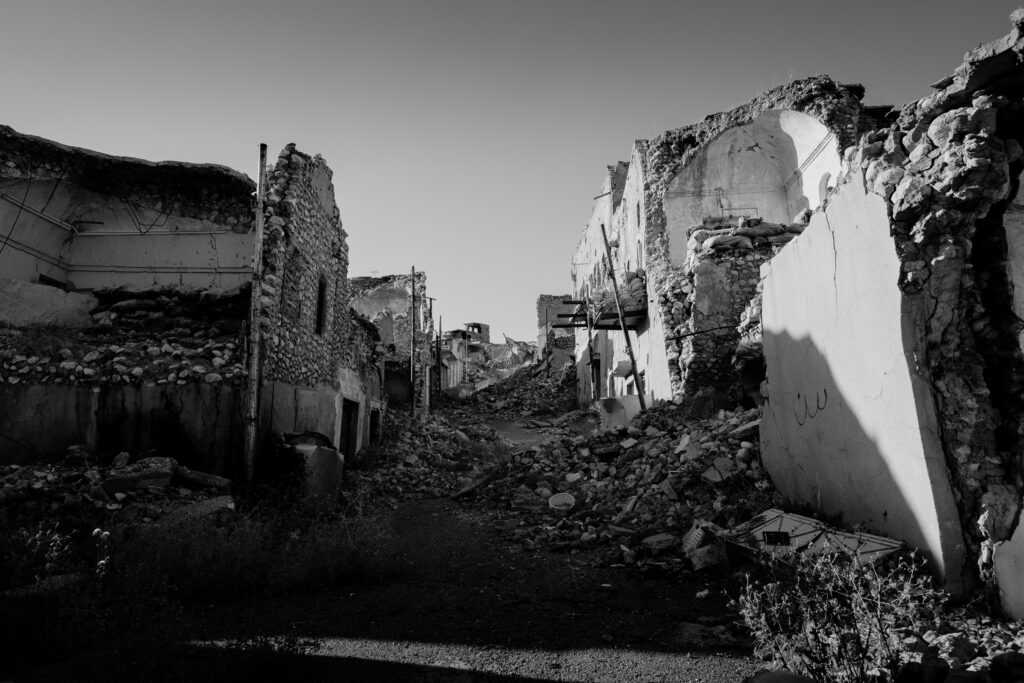
Every single one of these aspects are affected in terms of both separation and corruption. Not only is there blockage in these relationships (as when a husband and wife get divorced or stay married but lack love and intimacy) there is corruption (as when, using the same example, the intimacy a couple does have is clouded by manipulation and fear and does not fully benefit from unconditional love, freedom and safety). And these dynamics of blockage and corruption manifest in various ways in every single one of our various relationships.
REPENTANCE IS THE PATH BACK TO REGAINING WHAT WE HAVE LOST.
If you decide you want the best in all your relationships, then you will need to repent and change your deep beliefs and values.
We cannot possess the things the human heart was made for and yearns for -fullness of life, freedom, power, love, peace, etc.- without repentance. The Bible says every human is born in sin –with a congenital spiritual birth defect, so to speak. This corruption in the human heart is reflected in the whole creation, with its “bondage to decay”, as Romans 8:21 states. Healing, restoration and fullness of life is found in God alone, for he is the source of all life and every good gift (Jas 1:17). Logically then we cannot have fullness of life without God and we cannot have God without repentance.
When we renounce and turn away from false ways of thinking, God empowers us to enter into a state of truth, humility and receptivity. A good example of a basic belief in our minds that would change with this process repentance is the acknowledgment that we have been acting like little gods, making all our own plans and decisions; self-imagined rulers of our little self-imagined universe. It is no wonder that the world is in such a mess; when you have billions of people all acting like god (and more or less blind to their weakness, brokenness and corruption) it’s a recipe for conflict and disaster. When individuals stop pointing fingers and shaking fists and instead confess, “God. You’re God and I’m not. I’ve been so selfish and deceived and I’ve blown it. I’ve made a mess of my life and harmed other people and creation in the process. I’m sorry. Please forgive me,” then truth and life and healing can start to flow.

REPENTANCE TRUMPS HUMANISM.
This retraction of the pointing finger and unclenching of the shaking fist, accompanied by a deep, weighty sense of one’s own responsibility and culpability is a vital, non-negotiable sign of repentance. This does not mean there are not issues of justice and victimhood, where we have been truly wronged. But in God’s view, these are secondary and until we acknowledge our own sin and shortcomings we are not in a position to seek justice and vindication.

That is why humanism is doomed to failure. If we define humanism as the worldview that sees humankind as essentially good and the centre of the universe, it can exist in secular and religious forms. Whether it’s blatantly atheistic, or dressed in religious garb, humanism fails to take God seriously as the one who is separate, Sovereign, holy and the centre of all things. As Scripture says:
“For from him and through him and for him are all things. To him be the glory forever! Amen.” (Rom 11:36)
Consequently, humanism fails to take sin and the rebellion and corruption in the human heart seriously. It is only out of a true awareness and understanding of God that sin is seen for what it is –just like mould and cracks and stains on our property and buildings only become obvious when the sun is shining, revealing the true state of affairs.
Similarly, it is only when the glory of God in the face of Jesus shines in our hearts by God’s grace that we become aware of our sorry state (Joh 1:9-14; 2 Cor 4:6). This explains the failure of humanism (with its multiple political, cultural, religious and educational efforts) to produce good citizens and a good world.
You can make as many great plans, political constitutions, protest movements and hashtag movements as you like, but if you haven’t dealt with the ill-will, foolishness and destructive bent in the human heart and mind then it avails little in the long run. It is like creating the most efficient car with the best steering, braking system etc. If you put an immature or drunk or reckless or suicidal driver behind the wheel, you’re still going to end up with a horrifying accident, with wrecked vehicles and wrecked lives.
REPENTANCE IS NOT ULTIMATELY ABOUT FEELINGS.
Finally, repentance is not essentially about emotions. Of course, repentance is going to impact your emotions, but looking for an emotional reaction is missing the point. Repentance has to do with truth. It is acknowledging the truth and embracing it (whatever the emotional reaction that goes with that). It is like reformatting a computer to fix all the corrupted code at the core of the operating system. When the core language (truth) is healed, everything follows.